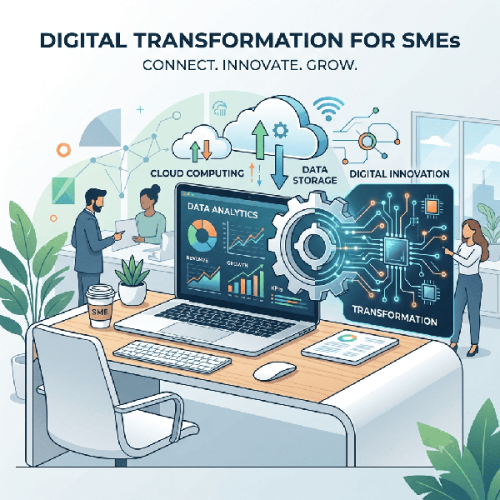
Digital transformation is no longer a luxury reserved for multinational corporations; it is a fundamental driver of operational efficiency, customer satisfaction, and market relevance for Small and Medium Enterprises (SMEs). However, while larger enterprises possess extensive capital and specialized teams to manage technology adoption, SMEs frequently encounter unique obstacles that delay or derail their digital journeys.
Understanding these core challenges—and knowing how to systematically address them—is essential for SME leaders seeking long-term growth and competitiveness.
Key Digital Transformation Challenges Facing SMEs
1. Financial & Resource Constraints
Unlike enterprise-level companies with dedicated innovation budgets, SMEs operate under tight cash flows and strict capital limitations.
-
High Initial Investment: Purchasing cloud infrastructure, Enterprise Resource Planning (ERP) software, and specialized software licenses involves substantial upfront expenditure.
-
Unclear ROI Timelines: SMEs often struggle to quantify the Return on Investment (ROI) of digital tools, making business owners hesitant to commit scarce capital to non-immediate assets.
2. Digital Skills Gap & Talent Retention
Technology is only as effective as the people operating it.
-
Lack of In-House Expertise: Most SMEs lack internal IT specialists, data analysts, or cyber-risk experts required to implement complex solutions.
-
Talent Competition: Competing against large tech firms and corporations for top-tier digital talent is extremely difficult due to compensation and brand recognition gaps.
3. Organizational Resistance & Culture
Cultural inertia is often a greater hurdle than technological complexity.
-
Fear of Change: Employees frequently resist new systems out of fear of job displacement or discomfort with unfamiliar tools.
-
Leadership Hesitation: Many SME owners or executives lack a digital mindset, viewing IT as an administrative cost rather than a strategic value-driver.
4. Legacy Systems & Integration Complexity
-
Data Silos & Outdated Infrastructure: Many SMEs rely on legacy hardware, paper-based workflows, or fragmented software that cannot easily integrate with modern SaaS applications or Cloud APIs.
-
Interoperability Friction: Migrating existing customer and financial data into new platforms without operational disruption or data loss presents high technical risk.
5. Cybersecurity Threats & Compliance Risks
As SMEs expand their digital footprint, they become attractive targets for cybercriminals.
-
Vulnerability to Attacks: Cyberattacks such as phishing, ransomware, and data leaks disproportionately impact small businesses due to weak security infrastructure.
-
Regulatory Burden: Navigating complex data privacy and security regulations (e.g., GDPR, local privacy laws) without a dedicated legal or compliance team poses significant operational risk.

krishna
Krishna is an experienced B2B blogger specializing in creating insightful and engaging content for businesses. With a keen understanding of industry trends and a talent for translating complex concepts into relatable narratives, Krishna helps companies build their brand, connect with their audience, and drive growth through compelling storytelling and strategic communication.